
Protect your vision with early detection, regular monitoring, and clear answers.
Trusted Diabetic Eye Care for Southwest Las Vegas Patients
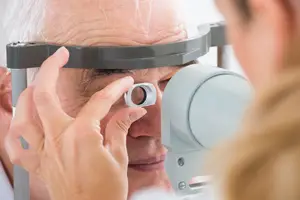

Eye Health Support for Patients with Diabetes
If you have diabetes, your eyes need special attention. Diabetic eye disease can develop without symptoms, and early signs are often only visible with diagnostic imaging. At Dana Vo OD, we provide routine diabetic eye exams and long-term monitoring to help detect changes early, explain your options, and preserve your vision.
We’re here to support your health with advanced tools, compassionate care, and clear communication at every step.
What Is Diabetic Eye Disease?
Diabetes can affect the small blood vessels in the retina, leading to a group of conditions that may impact your vision. The most common is diabetic retinopathy, which can cause:
-
Blurred or patchy vision
-
Sudden vision loss
-
Floaters or spots
-
Difficulty seeing at night
-
Retinal swelling or bleeding
Left untreated, diabetic eye disease can lead to permanent vision loss. Regular monitoring helps catch problems before they progress.


Why Diabetic Eye Exams Are Important
Even if your vision seems fine, diabetic retinopathy can develop without notice. Early detection is the key to protecting your eyesight and overall health. During a diabetic eye exam, we check for early changes that may require treatment or additional monitoring.
We recommend annual diabetic eye exams for all patients with:
-
Type 1 or Type 2 diabetes
-
A history of diabetic retinopathy
-
High blood sugar or blood pressure levels
-
Diabetes-related complications
What to Expect During Your Diabetic Eye Exam
Our diabetic eye exams include:
-
Visual acuity testing
-
Dilated or ultra-widefield retinal imaging
-
OCT scanning to detect fluid or swelling
-
Retinal photography for comparison over time
-
Eye pressure and blood vessel evaluation
Dr. Vo will explain your results in simple terms and communicate with your primary care doctor or endocrinologist if needed.
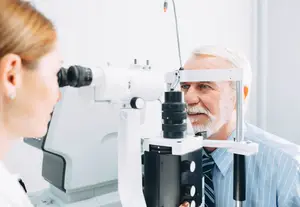
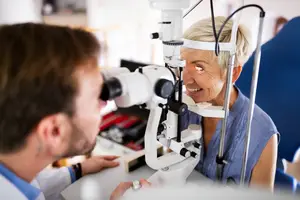
Tools We Use to Detect Early Damage
We use advanced imaging for early, accurate detection of diabetic eye disease:
-
Optomap® for a wide view of the retina without dilation.
-
OCT (Optical Coherence Tomography) to identify swelling or bleeding.
-
Retinal photography to document and monitor long-term changes.
-
Visual field testing if there are concerns about vision loss.
These tools help us catch problems early and guide treatment decisions.
Ongoing Management & Monitoring
If we detect signs of diabetic eye disease, we’ll work with you to create a personalized care plan. In some cases, this includes more frequent check-ups, referrals to a retina specialist, or support with managing blood sugar or blood pressure levels. Our role is to monitor changes, offer guidance, and help prevent complications.

Schedule Your Diabetic Eye Exam
If you have diabetes, keeping up with annual eye exams is one of the best ways to protect your vision. We offer advanced imaging, clear answers, and a supportive environment where your concerns are always taken seriously.