
Early detection, ongoing care, and clear guidance to protect your vision.
Glaucoma Testing & Monitoring in Las Vegas
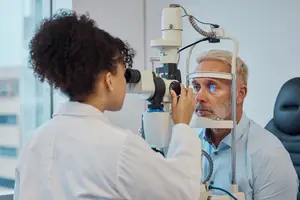
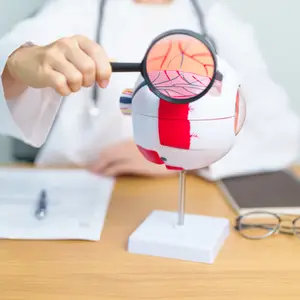
What Is Glaucoma?
Glaucoma is a group of eye conditions that damage the optic nerve, often because of elevated pressure inside the eye. It is a leading cause of permanent vision loss, but it typically develops without symptoms in its early stages. That’s why routine testing is essential.
Glaucoma is often called the “silent thief of sight” because most people don’t notice a problem until vision has already been lost. Once that damage occurs, it cannot be reversed, but with early diagnosis and ongoing care, vision loss can be slowed or prevented.
Who Is at Risk for Glaucoma?
You may be at higher risk if you:
-
Are over age 40
-
Have a family history of glaucoma
-
Are highly nearsighted or farsighted
-
Have diabetes or high blood pressure
-
Have experienced trauma to the eye
-
Are part of certain ethnic groups, including Black, Asian, and Hispanic communities
If you’re in a higher-risk group, regular glaucoma screenings should be part of your eye health routine.

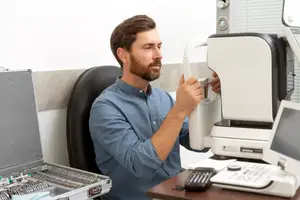
How We Test for Glaucoma
At Dana Vo OD, we use a combination of non-invasive tools and advanced imaging to detect and monitor glaucoma, including:
-
Intraocular pressure testing (tonometry)
-
Optic nerve evaluation with OCT (Optical Coherence Tomography)
-
Visual field testing to assess peripheral vision loss
-
Retinal imaging for long-term tracking
-
Gonioscopy or anterior segment imaging when needed
These tests help us identify glaucoma in its earliest stages and create a treatment plan tailored to your needs.
Glaucoma Symptoms to Watch For
While glaucoma often causes no symptoms early on, some people may eventually notice:
-
Blind spots in their side (peripheral) vision
-
Difficulty adjusting to low light
-
Tunnel vision in later stages
-
Eye pain, redness, or nausea (rare but urgent in certain types)
If you experience sudden eye pain, headaches, halos around lights, or vision loss, call our office immediately.
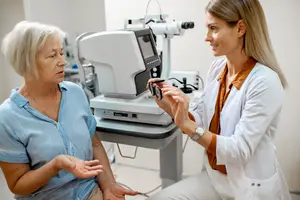

How Glaucoma Is Managed?
Glaucoma cannot be cured, but we can help preserve your remaining vision with consistent care. Management may include:
-
Prescription eye drops to lower pressure
-
Oral medications if needed
-
Monitoring with regular visual field and OCT testing
-
Referral to a glaucoma specialist for laser treatment or surgery if needed
Dr. Vo will walk you through your results and help you understand each part of your treatment plan.
Ongoing Monitoring & Personalized Care
Because glaucoma requires lifelong monitoring, we track changes over time using high-resolution imaging and visual field testing. You’ll have a clear schedule for follow-up visits and consistent updates about how your eyes are doing.
Our approach is proactive, data-driven, and centered around your long-term eye health.
Schedule a Glaucoma Screening or Follow-Up
If you’ve been diagnosed with glaucoma, have risk factors, or it’s simply been a while since your last exam, we’re here to help. Early detection and consistent care are your best defense.