
Early treatment options to slow nearsightedness and protect long-term vision.
Las Vegas Myopia Management at Fort Apache & Rainbow

What Is Myopia?
Myopia, or nearsightedness, is a condition where distant objects appear blurry, while near objects remain clear. It usually begins in childhood and often worsens during the school years as the eye continues to grow.
Myopia occurs when the eye grows too long from front to back, which causes light to focus in front of the retina instead of directly on it. This not only affects clear vision but can also increase the risk of eye diseases later in life if left unmanaged.
Why Early Treatment Matters
Myopia tends to progress as children grow. Stronger prescriptions over time may seem manageable at first, but high myopia is linked to a greater risk of developing:
-
Retinal detachment
-
Glaucoma
-
Cataracts
-
Macular degeneration
The goal of myopia management is to slow the progression of nearsightedness and reduce the long-term impact on eye health.


Myopia Management Options at Dana Vo OD
We offer proven, non-surgical options to help manage myopia in children and teens.
MiSight® 1 Day Soft Contact Lenses
These FDA-approved contact lenses are worn during the day and have been clinically shown to slow the progression of myopia in children ages 8 to 12. They are easy to use, disposable, and designed specifically for younger eyes.
Ortho-K (Coming Soon)
Orthokeratology, or ortho-k, uses specially designed contact lenses worn overnight to gently reshape the cornea while your child sleeps. The lenses are removed in the morning, allowing for clear vision throughout the day without the need for glasses or contacts. Ortho-k can also help slow the progression of myopia.
We will guide your family through the treatment options that are best suited for their age, lifestyle, and prescription needs.
How We Monitor Your Child's Progress
Your child’s care plan will include:
-
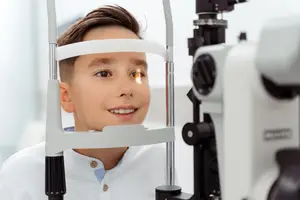
Comprehensive eye exams
-
Measurement of prescription changes
-
Axial length tracking (when appropriate)
-
Regular follow-up visits to assess effectiveness
We make sure you feel informed throughout the process, and we adjust the plan as your child’s needs change.

Signs of Myopia in Children
Common signs include:
-
Squinting to see distant objects
-
Sitting close to the TV or holding books very near
-
Frequent headaches or eye strain
-
Trouble seeing the board at school
-
Complaints of blurry vision when looking far away
If you’ve noticed any of these, a pediatric eye exam is a great place to start.
Education & Communication for Families
At Dana Vo OD, Dr. Vo and our team speak English, Vietnamese, and Spanish, and we explain everything in clear terms. Whether your child is already wearing glasses or just beginning to show signs of myopia, we’ll take time to walk you through the options and what to expect.

Schedule a Myopia Evaluation
Early action can make a long-term difference. If your child is nearsighted or at risk for myopia, schedule a visit to explore treatment options that support lifelong eye health.